
Understanding Herniated Discs: Causes, Symptoms, and Chiropractic Treatments
Updated: Mar 14, 2025

Herniated discs are a common source of back pain, affecting people of all ages. This condition can be debilitating, impacting daily life and mobility. In this blog post, we’ll explore the basics of herniated discs, how they occur, and how chiropractic care at Canoe Chiropractic can help manage and alleviate symptoms.
What is a Herniated Disc?
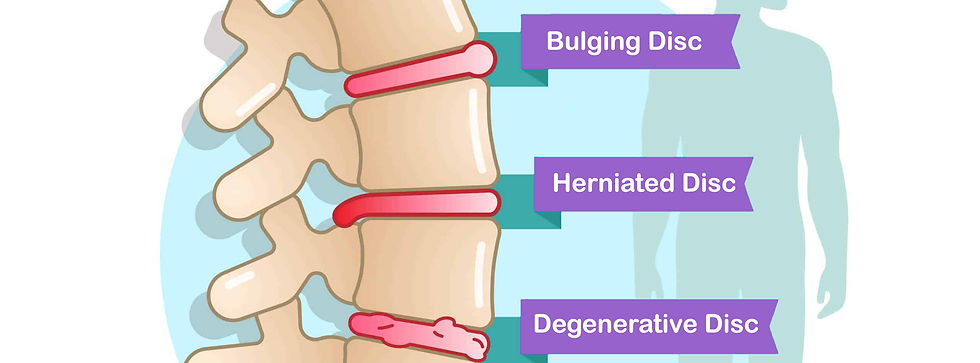
A herniated disc, also known as a slipped or ruptured disc, occurs when the soft, gel-like center (nucleus pulposus) of an intervertebral disc pushes through a tear in the outer layer (annulus fibrosus). This displacement can irritate or compress nearby nerves, leading to pain, numbness, or weakness in the affected area (White & Panjabi, 2023).
The intervertebral discs act as cushions between the vertebrae, absorbing shock and allowing flexibility in the spine. When a disc herniates, its ability to function properly is compromised, often resulting in discomfort or restricted movement.
Common Causes of Herniated Discs
Herniated discs can result from various factors, including:
Age-related degeneration: Over time, discs lose water content, becoming less flexible and more prone to tearing or rupturing.
Injury: Sudden trauma or heavy lifting with improper form can lead to disc herniation.
Repetitive strain: Continuous stress on the spine from poor posture or repetitive movements.
Genetics: Some individuals may have a predisposition to weaker discs.
Symptoms of a Herniated Disc
The symptoms of a herniated disc can vary depending on the location and severity of the condition. Common symptoms include:
Pain in the lower back, neck, or along the path of an affected nerve.
Numbness or tingling in the arms or legs.
Muscle weakness in the affected area.
Difficulty performing activities that involve bending, lifting, or twisting.
How Chiropractic Treatment at Canoe Chiropractic Can with Herniated Discs
At Canoe Chiropractic, we offer holistic, non-invasive treatments to address the underlying causes of herniated discs. Our approach focuses on reducing pain, improving mobility, and promoting long-term spinal health. Here’s how we can help:
1. Spinal Adjustments
Our precise chiropractic adjustments help realign the spine, reducing pressure on the affected disc and surrounding nerves. This realignment can alleviate pain and promote natural healing.
2. Spinal Decompression Therapy
Spinal decompression gently stretches the spine, creating negative pressure that allows herniated discs to retract. This relieves nerve compression and improves nutrient flow to the affected area.
3. Soft Tissue Therapy
Techniques such as ultrasound, electrical stimulation, and massage target inflamed muscles and ligaments around the herniated disc, reducing tension and discomfort.
4. Rehabilitation Exercises
We design personalized exercise programs to strengthen the muscles supporting your spine, enhancing stability and preventing future injuries.
5. Lifestyle and Posture Guidance
We provide advice on ergonomics, posture, and daily activities to reduce strain on your spine and maintain long-term spinal health.
Frequently Asked Questions About Herniated Discs
1. What does a herniated disc feel like?
Patients often describe herniated disc pain as sharp, burning, or radiating. It may also cause numbness, tingling, or muscle weakness in the affected area.
2. Can a herniated disc heal on its own?
In some cases, a herniated disc may heal over time with rest, physical therapy, and proper care. However, persistent symptoms may require professional treatment.
3. Is chiropractic care safe for herniated discs?
Yes, chiropractic care is a safe and effective treatment option for herniated discs. Chiropractors use non-invasive techniques to reduce pain and promote healing without surgery or medication.
4. What activities should I avoid with a herniated disc?
Avoid heavy lifting, prolonged sitting, and high-impact activities that can strain your spine. Our team at Canoe Chiropractic can provide tailored advice based on your condition.
5. When should I seek treatment for a herniated disc?
You should seek treatment if your symptoms persist for more than a few weeks, worsen over time, or interfere with your daily life. Early intervention can prevent further complications.
Herniated discs can be challenging, but with the right care and guidance, you can manage symptoms and improve your quality of life. At Canoe Chiropractic, we’re dedicated to helping you achieve optimal spinal health. Contact us today to schedule a consultation and take the first step toward recovery.
References
White, A. A., & Panjabi, M. M. (2023). Clinical Biomechanics of the Spine (3rd ed.). Lippincott Williams & Wilkins.
Fardon, D. F., & Milette, P. C. (2022). Spinal Disorders: Current Concepts and Treatment Strategies. Springer.
Maitland, M. E., & Hengeveld, E. (2023). Vertebral Manipulation (8th ed.). Elsevier.
